“Dye-sublimation has rocketed over the last twelve months with the release of the Epson SureColor SC-F500 in 2020 and, more recently, the launch of the Epson SureColor SC-F100; and now this form of print is making its way into the homes and new small businesses of the general public,” says YPS Managing Director, Georgia Brown.
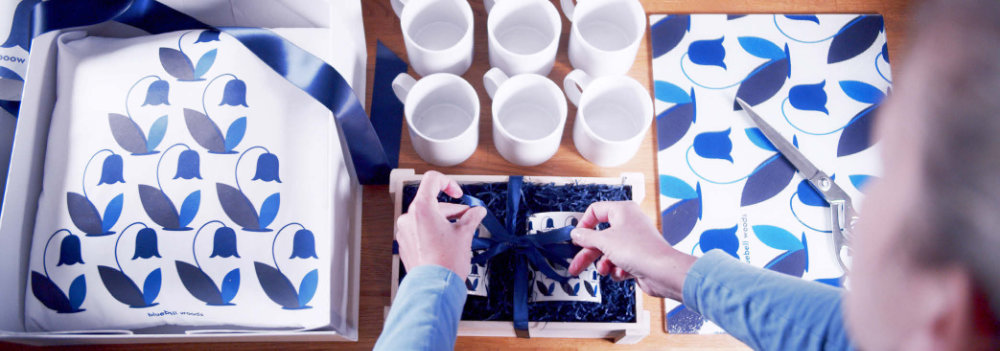
She continues: “Creating bespoke home and gift wares with the Epson dye-sublimation solutions is user-friendly and impressive to your customers.
“Simply, by inserting a personal image or name, your item becomes a custom gift like no other, which can’t be bought in high street shops.”
However, before jumping into the world of dye-sublimation, YPS’s top tip is to research, take a look at the process and what you will need to start; there is plenty of information on the internet regarding sublimation printing.
It is a user-friendly form of print and has an overall low total cost of ownership. However, it is still a professional genre of print and requires the correct tools and supplies. From printer and press to blanks and designs you will need to understand the full dyesublimation process.
Checking out YPS’s Business in a Box bundle, featuring the Epson SureColor SC-F500, and its SPARK bundles that include the Epson SureColor SC-F100, will give you a good idea of everything you need to set up with dye-sublimation.
Tooled up
If you then decide to take things further, either by starting a business or introducing dye-sublimation to a pre-existing business, you will need all the tools and some skills to go with them. Before going ahead it is worth checking out courses, books and videos with helpful tips to equip you with the nskills you will need.
Once you have started, it is important to keep track of your process and what works for you to avoid making the same mistakes multiple times. Dye-sublimation can be a trial-and-error process, so it i s useful to make a note of the size of common blanks you use and the heat press settings which work for you. Each new blank you try will present a new challenge and what works for some may not work for others.
Creating marketable products with dye-sublimation can open up a second revenue stream and become extremely profitable. However, product consistency is key to successful business. From inks, blanks and heat press settings, it is essential to ensure your products are compatible with dye-sublimation printing and to use OEM inks to ensure the best quality for your customers.
Research and selection of the correct media for the corresponding substrate is fundamental to ensuring outstanding transfer quality. Sublimation paper is designed to release sublimation ink in the heat transfer process, resulting in vibrant transfers on soft and rigid substrates. Both rigid and textile transfer papers are available to work perfectly with the relevant substrates. For example, if you are producing a high volume of mugs, then pre-cut mug paper may be best suited for the job.
The right substrate
The substrate is equally as important as the media. Your product must be a Polyester based textile or materials that have been treated for dye-sublimation, for example, dye-sub compatible ceramic mugs and tiles. It is always worth researching dyesublimation blanks in order to eliminate any issues with noncompatible products.
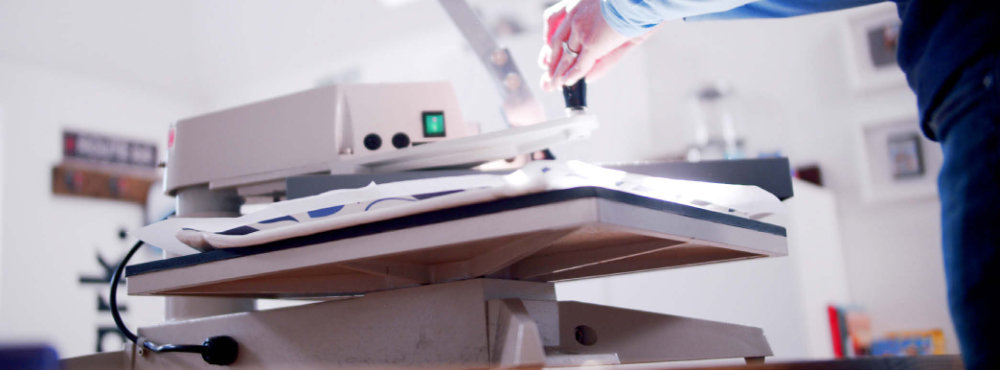
When heat pressing it is important to use protection, and Teflon sheets and transfer paper are available to protect your heat press from ink bleeding and transfer. It is imperative to keep the base of your heat press clean and ink free to ensure all your prints are perfect and are not affected by the previous item pressed.
Depending on the aim of your design, you may wish to create an item that shows the artwork completely flush to all edges. To achieve the required result, ensuring that heat press protection is used, scale the artwork to slightly larger than the blank, and then press. This will cause ink bleeding, which is why protecting your press is recommended.
Printing ceramic tiles can be a tricky process. To achieve best results when heat pressing a ceramic tile, place the artwork face up in the press and put the tile on top, with the ceramic white side touching the artwork. Then place a Teflon sheet on top of the tile, to protect the heat press. The heat will carry through the ceramic tile and minimise the risk of a ghosting effect.
Dye-sublimation and heat pressing requires practice, learning from mistakes is just part of the process; check heat settings and try again.
Do not be afraid to ask for advice if you find you have challenges with sublimating a tricky blank. Ask the company you bought the blank from for tips, or check out the product page which will have recommended heat press settings. “From designing the artwork and printing to your dye-sublimation printer, to pressing your artwork and substrate, and seeing the printed muted colours become vibrant with the heat from the press, dye-sublimation can be a satisfying and rewarding process when performed correctly,” Georgia adds.
She concludes: “Dye-sublimation has opened a door of opportunity for the personalised gift and homewares market, giving creators the freedom to make bespoke items with a great return on investment.”
YPS has 40 years’ experience in the print industry and, over the past eleven years, has built a reputation as a fast, reliable and service-led partner within the screen, litho and digital wide format printing industry.