Developed in partnership with Canon Europe, and created by Cotmandene Training, IPIA members can access this, via the download link below, free of charge.
Even as the tide of automation gathers pace, people stillform a crucial element of any print business. In fact, theymay often be what differentiates you from your competitors.Their training and development can sometimes thoughbe overlooked and is rarely budgeted for. But, if we wantto retain and build upon the teams we have, as well asattract and recruit the right talent for the future, peopledevelopment should be an essential aspect of everyprinting industry organisation.
Building a framework
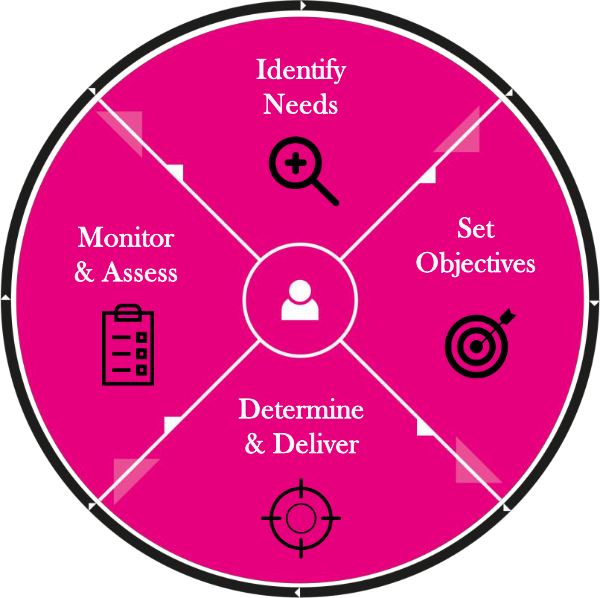
Recognising this, the IPIA consulted with a cross section of members to see whathelp is needed, and what could be done.Together they identified a number of challenges and the need for a trainingframework suitable for PSPs of all sizes. One that would provide guidance anda structure to help the organisation plan the type of training required, for whichemployees, and what it needed to achieve.One that could aid their recruitment, development, and retention. That could beinitiated and applied quickly and effectively, whilst also being sustainable.The result is “Powered by People”
The power behind print
Even as print industry organisations become increasingly more automated, people remain crucial to their success, typically relying on:
• talented designers • efficient customer service teams • experienced salespeople and account managers and • skilled production workers • all supported by capable administrators and, increasingly, • software developers and IT professionals
However, attracting, developing and retaining these is progressively more difficult.
The perfect storm
The economic effects of the pandemic mean businesses need to be leaner and more agile
Training was radically cut, or even abandoned altogether
Hybrid and remote working has impacted on employee engagement and an unwillingness to return to the workplace
25% of people are feeling overwhelmed by the different technologies they need for work*
Brexit has meant the loss of some existing workers, plus a reduced pool of potential employees
The recruitment, development and retention of workers has all suffered
* Deloitte “State of the worker: A year in the pandemic”
Recruitment
According to the British Chambers of Commerce Quarterly Recruitment Outlook survey for Q2 2021:
61% of firms attempted to recruit in Q2
77% of those who attempted to recruit reported difficulties
Among manufacturers, 80% reported recruitment issues
Plus, the number of UK job vacancies has reached a 20-year high of 1.1 million. More than double the number at the start of the pandemic*
* BBC News
“It’s clear that staff shortages are worsening, impacting on recovery and
growth for manufacturers and services businesses alike.”
Development
Only 17% of organisations formally plan how they will train, or recruit required skills*
30% of UK workers have not received formal workplace training in the last 5 years*
11% have never had any training at all from their employers*
Yet 94% of employees say that they would stay at a company longer if there is investment in their learning and development¹
* City and Guilds Group | ¹Linkedin Workplace Learning Report
“The pandemic has likely changed for good the face of learning and skills
development in organisations.”
Retention
Almost one in four UK workers are planning a job change ¹
Employee turnover rates in manufacturing up 15% on last year ²
75% of the largest companies listed on the LSE cite labour shortages or staff retention as principal risks to their business ³
It can take up to 28 weeks for a new employee to reach optimum productivity at an estimated cost of £25,200 per employee ¹¹