In recent years, the sustainability conversation in the print industry has been dominated by carbon footprints and energy certificates. While these are vital, they only tell half the story. As we move further into 2026, the focus is shifting toward the Circular Economy—a model that prioritises keeping resources in use for as long as possible and eliminating the concept of “disposable” hardware.
For the independent printer, transitioning to a circular model isn’t just about environmental stewardship; it is about reducing the logistical “noise” and hidden costs of high-maintenance machinery.
The Consumable Trap
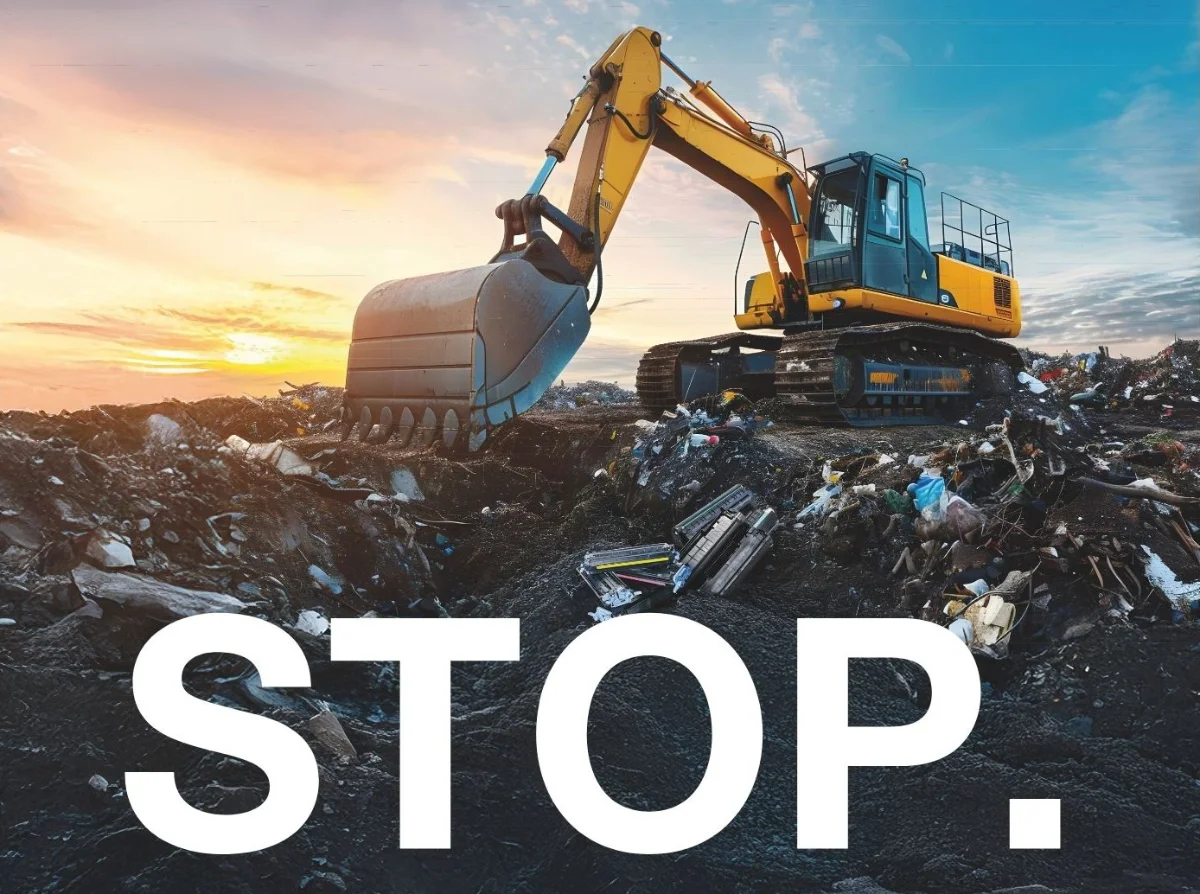
Traditional toner-based printing is a hardware-heavy process. To produce a single page, a complex array of “consumables” must work in harmony: fuser units, developers, transfer belts, and drums. Most of these components have a limited lifespan and are designed to be replaced and discarded.
This creates a hidden “waste tail” for every print job—a constant stream of plastic, metal, and chemical components entering the waste cycle. For a busy print room, managing this inventory and disposal isn’t just an environmental burden; it’s an administrative and financial one. RISO’s approach to the circular economy is simpler: if a part doesn’t exist, it can’t become waste.
Engineering Out the Waste
RISO’s inkjet technology offers a radical alternative by simplifying the imaging path. Because our FORCEJET™ technology is mechanical and heatless, we have effectively “engineered out” the most common replaceable parts found in toner systems. RISO’s approach to the circular economy is simpler: if a part doesn’t exist, it can’t become waste.
- Fewer Moving Parts: With no fuser, drums or developer units, there are fewer components to wear out.
- Ink vs. Cartridges: RISO’s high-capacity ink delivery reduces the sheer volume of plastic packaging compared to traditional toner cartridges.
- Longevity by Design: Our machines are built for high-volume durability, meaning the “machine life” is significantly longer, keeping hardware on the production floor and out of the recycling centre.
A Circular Advantage for 2026
When an independent printer chooses a system with fewer consumables, they are participating in a circular economy. They are reducing the demand for raw material extraction and lowering the carbon cost of shipping replacement parts across the globe.
In 2026, your customers aren’t just looking for a low price per page; they are looking for partners who can prove they are minimising waste. By reducing the physical “stuff” required to put ink on paper, RISO UK helps printers deliver a cleaner product and a leaner business model. In the circular economy, the most sustainable part is the one you never had to replace.
Click here to see how RISO can help you meet your sustainability goals.