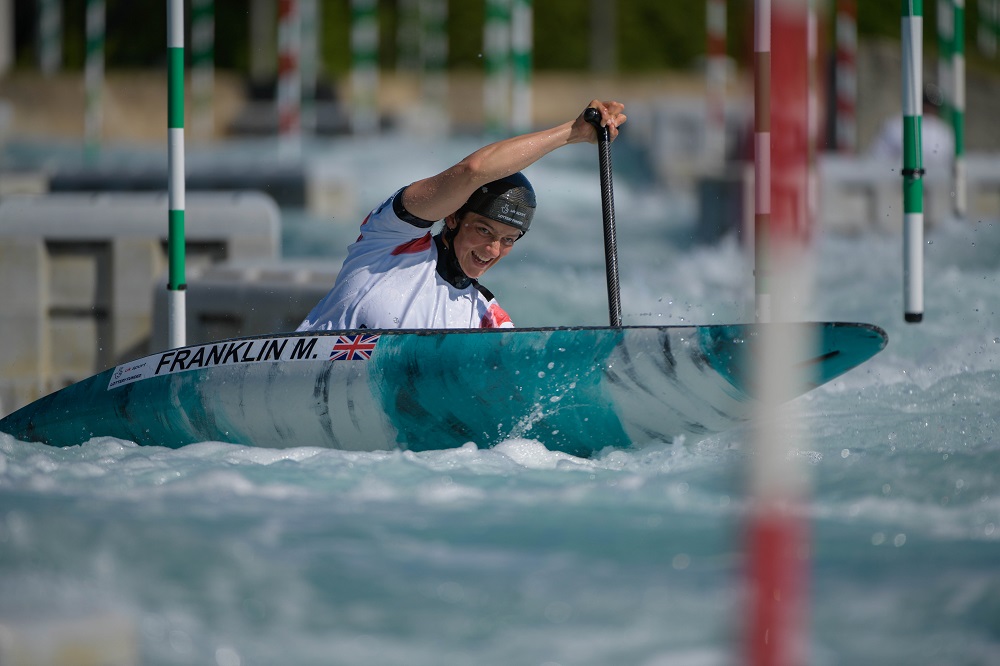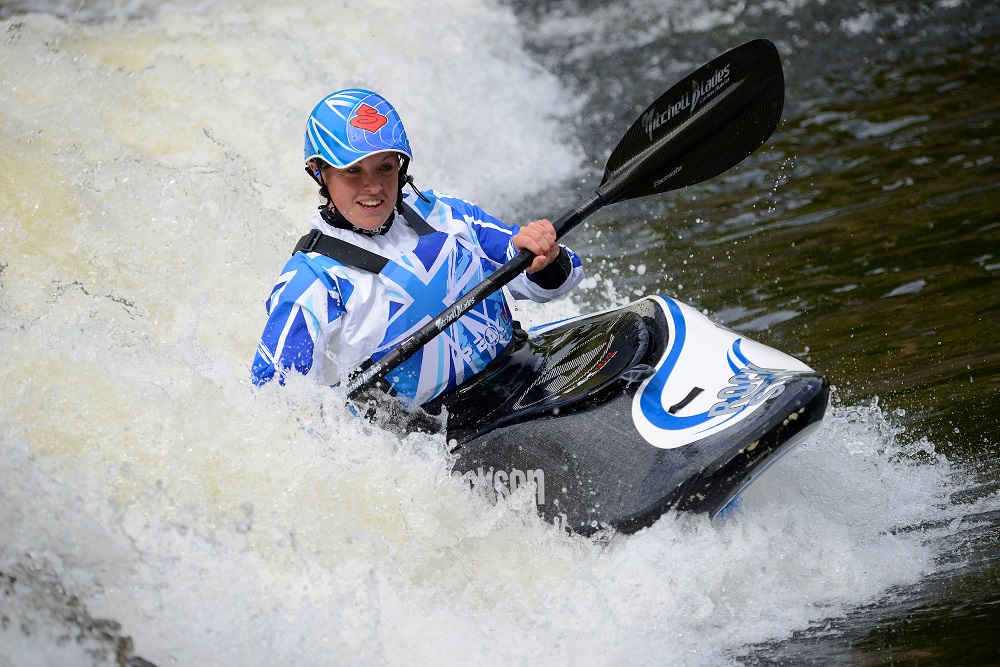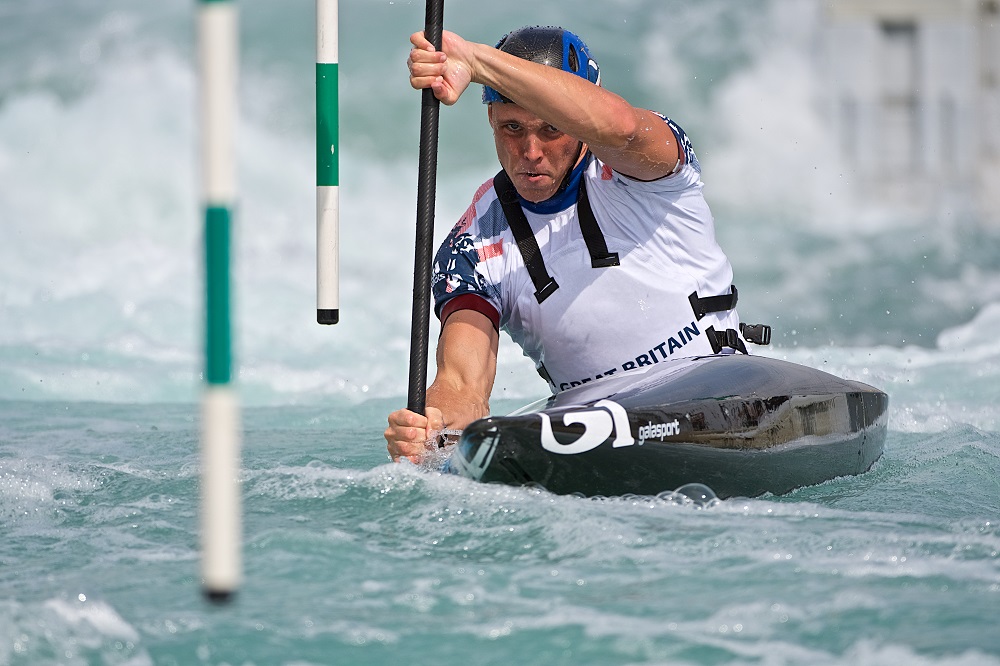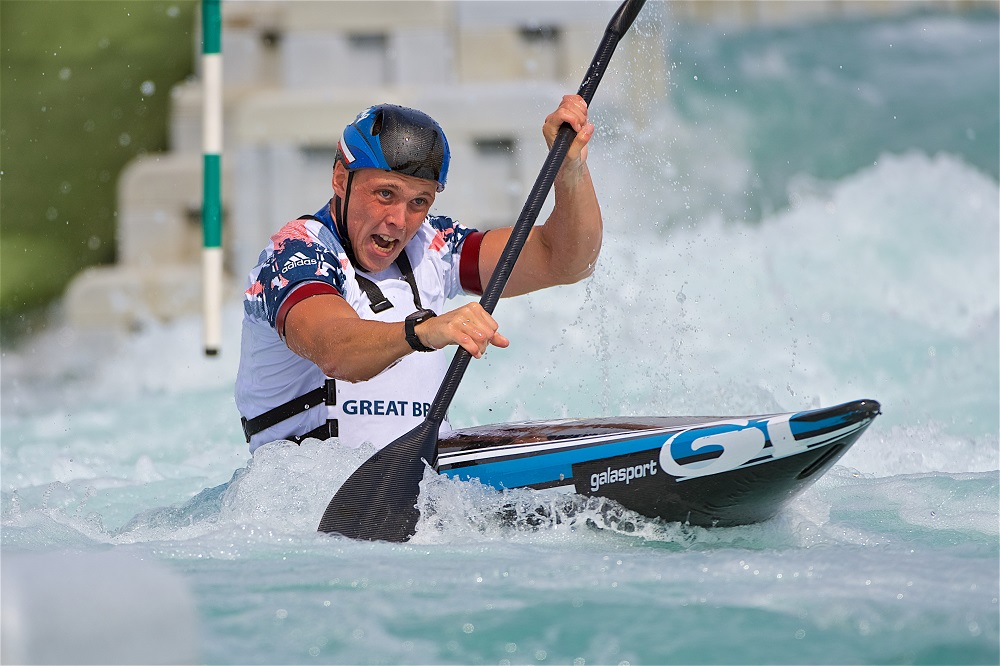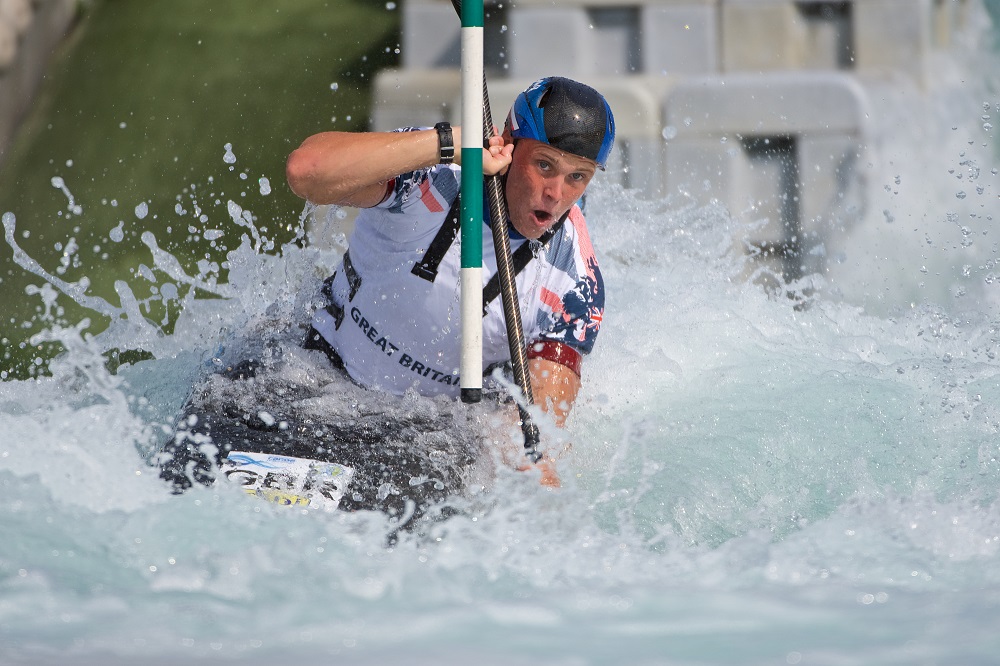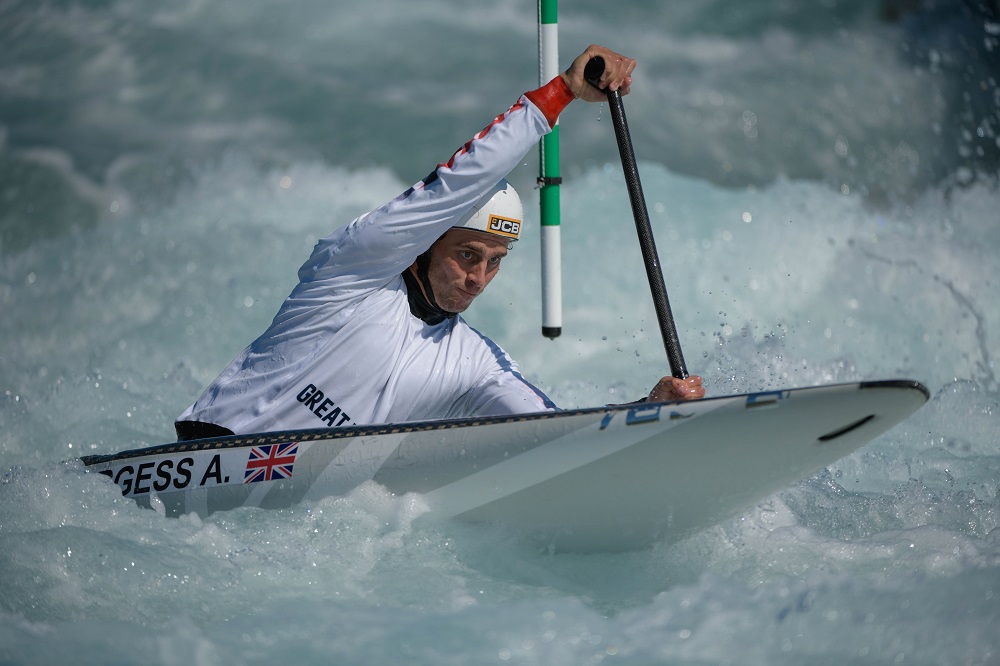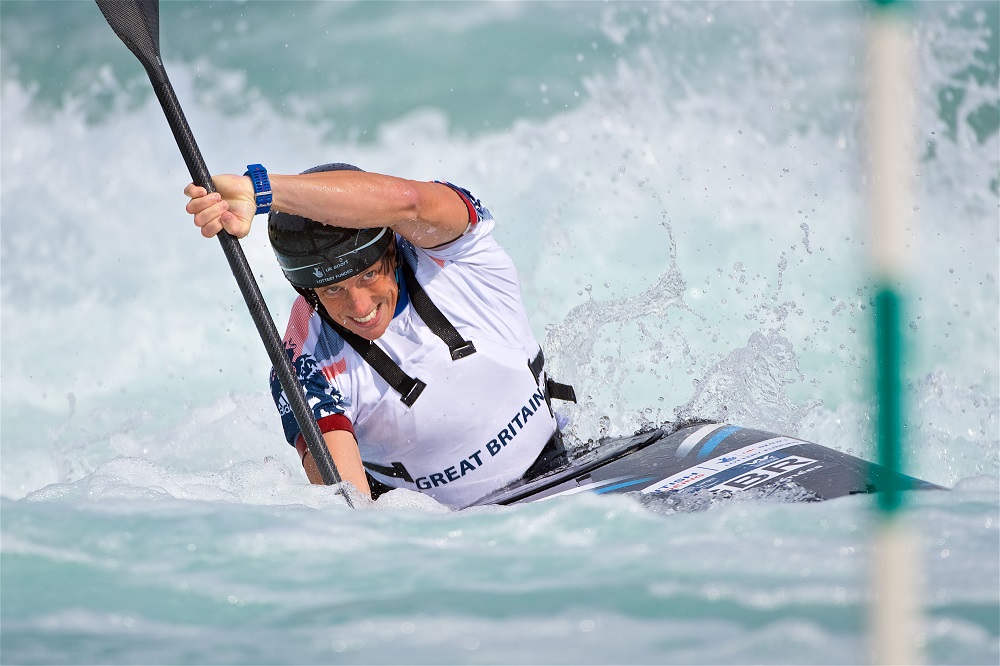
Delivering the impossible: This is an ethos shared with Roland DG and their Derbyshire-based customer Peak UK, and it led them to collaborate in supporting Team GB, amongst other countries, to Olympic Gold.
The specialist graphics company has revealed that it used the Roland DG Texart XT 640 to create uniforms for the Olympic canoeing and kayaking sports – supplying innovative and ground-breaking designs that supported their performance and helped them stylishly achieve nine Olympic medals in Tokyo 2020. Pete Astles, founder of Peak UK discusses his story with Innovation in Print Media and Marketing.
Pete Astles, founder of Peak UK, was told by multiple suppliers that what he wanted to achieve could not be done. Refusing to take no for an answer, Pete wanted to push the creative boundaries and achieve the impossible. First looking into dye sublimation 15 years ago, Peak UK had the goal to develop waterproof and breathable garments for the kayak and canoeing market.
Coming with its challenges, Peak consistently looked for solutions to overcome the challenges with textile printing. Prior to investing in their Roland equipment, the process had to be slowed down and cooled to prevent any damage to the materials and still produce a quality print. They also had to use a series of trials and error to stop polyurethane coated fabrics from sticking to the calendar. Another problem they solved, notably without textile training, but an incredible source of motivation. At this stage, Peak UK were on the border of what was possible.
Olympics through the years…
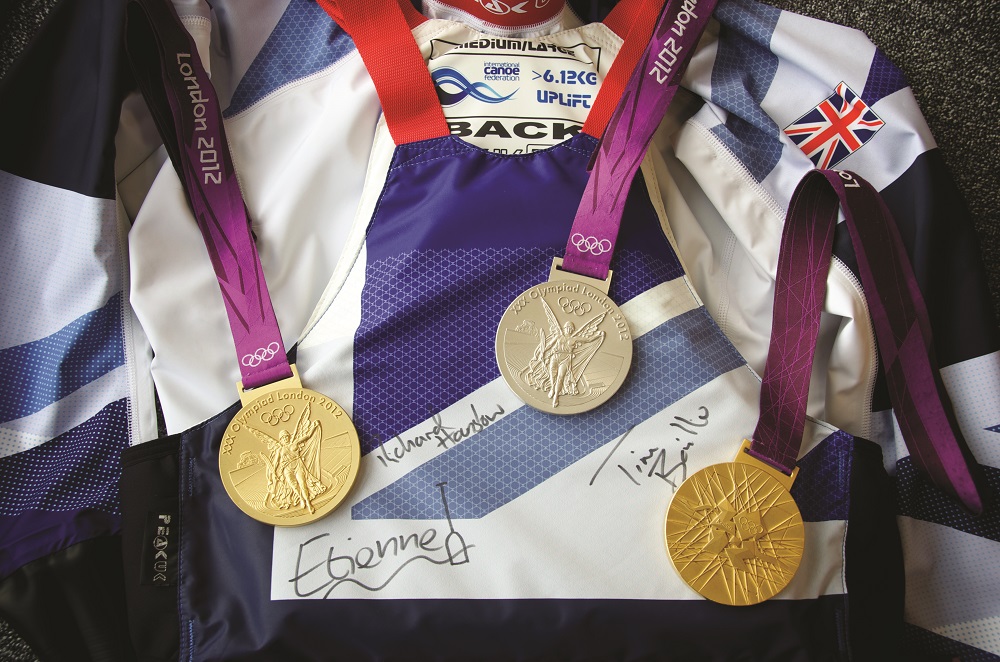
Peak UK have worked on their garments in line with the Olympic cycles, every four years. Entering the Olympic market in the London 2012 games, they wanted to bring a unique edge to these watersport garments. Full sublimation printed and waterproof garments helped bring home a gold, silver, bronze medals from Team GB. Peak UK could not stop there, they wanted to keep expanding on their designs and customers each time the Olympics came round.
As of 2016, Peak invested in the Roland RT-640, allowing them to elevate their designs on a whole new level. This Texart Sublimation Printer allowed Peak to finally be able to print on the full width of the material, where they previously were only able to print on small pieces of the fabric. This printer changed the game, increasing their productivity, quality, and turnaround time. The design was no longer limited, allowing Pete to explore further possibilities.
Leading to Peak’s specialised product called the Racer ST, a three[1]in-one garment that combines a paddling jacket with spraydeck and buoyancy aid – cutting-edge features which achieve the ultimate streamlined performance. This garment innovation meant that athletes had less buoyancy on their body allowing them to race quicker down the course and bring home the Gold. In which Team GB achieved, thanks to the innovative design and technology.
The winning did not stop there, as Peak UK were then rewarded with the ‘Roland Hero’ award, including a trip to Thailand for Pete and his family. After a long battle with the international canoe federation, not wanting to approve the upgraded and groundbreaking Racer ST garment, they approved its use on the day the Astles were leaving for their well-deserved trip. He launched it amidst packing to go and just before the lockdowns hit.
Still following the Olympic cycle, Peak invested in the Roland XT[1]640 DTG to enhance the Racer ST further through design. This time they focused on buoyancy from the front of the garment into the spraydeck, achieving a performance enhancing result whilst still maintaining safety standards. With some countries not knowing who was yet to compete with pandemic stresses, orders came in late, but Peak were determined to deliver, even sending directly to the hotel hosting the athletes in Tokyo.
This revolutionary garment, at no surprise, was developed for 32 out of the 35 nations competing in the Olympic canoe event. All sublimation printed with the XT-640 with a unique look for each country. An astonishing nine medals were won, whilst sporting these garments in the Tokyo 2020 games. The machine could produce the materials extremely quickly, helping to overcome tricky deadlines with Brexit restrictions causing delays to their deliveries in Europe.
With such a niche product, they were a clear choice for giving athletes an advantage. Sublimation printing allowed for more diverse designs for each country resulting in an instant demand and competitors struggling to match the product.
To the future…
Rob Goleniowski, Head of Sales at Roland DG comments: “There’s a lot of the synergy in the ethos in which Peak and Roland operate, not letting customers down, going above and beyond and delivering on promises. We try to make sure that we look after all our customers where the technology and machinery is an integral part of their business.
“Peak have pushed boundaries of sublimation printing, allowing them to take on more innovative applications. Our doors are always open to companies looking to achieve new goals with our machines. Diversification and innovation are extremely important to us, we have previously based features on our machines from the ideas of our customers, producing an extra level of suitability”.
Pete will continue to look at more of Roland’s machine in the coming years to explore the possibilities. Their supply for Olympic athletes will continue along with their use of the XT 640, a reliable and productive machine working perfectly for Peak’s needs.
It can be said that Peak UK thrived in the face of being told what they wanted to achieve was impossible. Roland DG are more than committed to help push the boundaries of their technology for the aid of their customers. To provide such a unique product to the market requires a great combination of strong will and effective technology.
To find out more visit: